

具体描述
编辑推荐
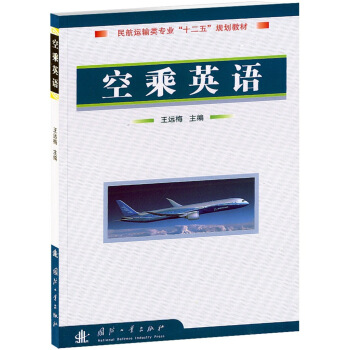
《民航运输类专业“十二五”规划教材:空乘英语》基本以实际客舱服务的程序为顺序,共分20个单元。每个单元包含四个部分(Dialogues,Announcements,Phonetics,Reading),并且每一部分都配有针对性的练习,以提高学生的机上英语口头交际能力、广播能力,扩大其专业知识面。本教材旨在全面加强学生机上服务英语基本技能训练,培养学生实际运用英语的能力,使之在英语会话方面具备空中乘务工作所需要的基本能力。
内容简介
《民航运输类专业“十二五”规划教材:空乘英语》根据《高职高专教育英语课程教学基本要求》和空中乘务员实际工作需求而设计和编写,旨在通过真实的行业背景、身临其境的职业场景、原汁原味的客舱用语、实用丰富的民航知识和有针对性的练习来提高学生英语交际能力和客舱服务水平,实用性强。《民航运输类专业“十二五”规划教材:空乘英语》共20个单元,每单元由四部分组成。其中,每单元的PartOne(对话)和PartTwo(广播词)为本书的重点,应在课堂上重点讲解并让学生充分练习,以达到学以致用的目的;PartThree(语音)应在教师的指导下在课堂上完成;PartFour(阅读)的内容可以作为泛读材料,要求学生在课前预习,上课时教师进行检查,并根据学生掌握的情况进行适当的讲解。
《民航运输类专业“十二五”规划教材:空乘英语》可作为职业院校空中乘务、航空服务等专业的教材,也可作为航空公司新引进空中乘务员的英语培训教材,或空中乘务员复训时英语书面及口语测试的参考材料。
目录
Unit OnePart One Dialogues: Passenger Reception
Part Two Announcements: Welcome and Recheck of Boarding Pass
Part Three Phonetics: American and British Phonetic Symbols in Contrast
Part Four Reading
Unit Two
Part One Dialogues: Arranging Seats
Part Two Announcements: Pre-take off Safety Check
Part Three Phonetics: The Vowels and Consonants
Part Four Reading
Unit Three
Part One Dialogues: Arranging Baggage
Part Two Announcements: Baggage Check
Part Three Phonetics: The Pure Vowels
Part Four Reading
Unit Four
Part One Dialogues: Delay
Part Two Announcements: Welcome after a Delayed Departure
Part Three Phonetics: The Diphthongs
Part Four Reading
Unit Five
Part One Dialogues: Safety Check Before Take-off
Part Two Announcements: Safety Demonstration
Part Three Phonetics: The Explosive and Fricative Consonants
Part Four Reading
Unit Six
Part One Dialogues: After Takeoff
Part Two Announcements: Introduction of Flight Routes and Service Items
Part Three Phonetics: The Affricate, Nasal, Lateral Consonants and the Semi-vowels
Part Four Reading
Unit Seven
Part One Dialogues: Drink Service
Part Two Announcements: Drink and Meal Services
Part Three Phonetics: Syllables and Word Stress
Part Four Reading
Unit Eight
Part One Dialogues: Food Service (I)
Part Two Announcements: Before Landing
Part Three Phonetics: Open Syllables and Closed Syllables
Part Four Reading
Unit Nine
Part One Dialogues: Food Service (If)
Part Two Announcements: Flying at Night and Stopover
Part Three Phonetics: Reading Rules of English Vowel Letters in Stressed Syllables
Part Four Reading
Unit Ten
Part One Dialogues: Abnormal Situations in Service
Part Two Announcements: Apologies for Abnormal Service
Part Three Phonetics: Reading Rules of English Vowel Letters in Unstressed Syllables
Part Four Reading
Unit Eleven
Part One Dialogues: Duty Free Sales
Part Two Announcements: Movies/Duty-free Sales
Part Three Phonetics: Reading Rules of Double Syllables
Part Four Reading
Unit Twelve
Part One Dialogues: In-flight Entertainment
Part Two Announcements: Holidays and Festivals
Part Three Phonetics: Reading Rules of Multi-syllables
Part Four Reading
Unit Thirteen
Part One Dialogues: Jet Lag
Part Two Announcements: Quarantines
Part Three Phonetics: Loss of Plosion and Incomplete Plosion
Part Four Reading
Unit Fourteen
Part One Dialogues: Airsickness
Part Two Announcements: Landing
Part Three Phonetics: Consonants Clusters and Sound Linking
Part Four Reading
Unit Fifteen
Part One Dialogues: Sick Passengers
Part Two Announcements: Cancellation and Staying Overnight
Part Three Phonetics: Reading Rules of Noun+s/es and Verb+ed
Part Four Reading
Unit Sixteen
Part One Dialogues: Helping Passenger Find Lost Articles
Part Two Announcements: Waiting for Clearances
Part Three Phonetics: Sentence Stress
Part Four Reading
Unit Seventeen
Part One Dialogues: Transit Passengers
Part Two Announcements: Landing in Transit
Part Three Phonetics: Thought Patterns and Pausing
Part Four Reading
Unit Eighteen
Part One Dialogues: Filling Out Forms
Part Two Announcements: Unexpected Situations
Part Three Phonetics: Intonation
Part Four Reading
Unit Nineteen
Part One Dialogues: Emergency Procedures
Part Two Announcements: Emergency Procedures
Part Three Phonetics: Use of the Falling Tone
Part Four Reading
Unit Twenty
Part One Dialogues: Pre-arrival and After Arrival
Part Two Announcements: Brace for Impact
Part Three Phonetics: Use of the Rising Tone
Part Four Reading
Words and Phrases
References
精彩书摘
Flight crew is a group of people employed by an airline who have duties on board the aircraft. It consists of two kinds of people: those who are responsible for the safety, efficient operation of an aircraft and those who are responsible for the safety and wellbe- ing of passengers on a flight. The first kind is called pilots and the other, cabin crew.
Pilots exercise command over the crew, including the co-pilots (first officers) and cabin crew. Aircraft are usually operated by two, three or four pilots, depending on the type of aircraft and length of journey. The pilot who is called the captain is the more senior one. He has full responsibility for the safety of the aircraft and its occupants.
Pilots are needed in four areas: passenger scheduled services; passenger charter services; freight services; and business aviation (general aviation). The business avia- tion is the biggest sector worldwide and includes private aircraft, flying schools, and companies transporting oil and gas workers to offshore rigs.
Many consider flying to be a dream job but perhaps have an unrealistic idea about what it is really like. In fact, the job demands a great deal of personal commitment and self-sacrifice. A pilot has to pass stringent training courses, and then be tested in recur- rent training twice yearly in order to maintain the relevant license.
Cabin crew is the people who are working with the passengers in the cabin. They attend to passengers needs throughout the flight, serving refreshments and selling du- ty-free goods, so customer service is vital. They are expected to be friendly, enthusias- tic and courteous at all times. Cabin crew can also be divided into two groups: the senior member is called flight director or purser and those who work under the senior member are called cabin attendants.
A qualified cabin crew must be with lofty goals and passion. But thats not enough. High level of professionalism and hard working attitude are a must. Language is also important, and an excellent cabin crew must be able to communicate with passengers in English fluently who are not sharing the same language.
Cabin attendant should carry out a range of duties: attending a pre-flight briefing, and crew members are assigned their tasks for the coming flight.
……
前言/序言
随着中国航空市场的蓬勃发展,国际航线的日渐增加,越来越多的航空公司开通了中国至世界各地的航班,如何提高机上服务水平成为各航空公司一项迫在眉睫的工作,要提高机上服务水平关键在于要有一支高素质的空中乘务人员队伍,提高空中乘务人员的英语实际应用能力则是提高服务质量的前提。《空乘英语》正是在这种情况下应运而生的。本教材针对高职高专院校空中乘务专业的英语课程,是以培养和提高学生的英语交际能力和机上的应变能力为目标的实用教材。本教材从培养高级应用型人才的总体目标出发,结合学生毕业后的工作实际,力求向学生提供其未来工作岗位所需要的专业英语知识技能,培养学生使用涉外业务英语的交际能力。本教材本着“以应用为目的,实用为主,够用为度”的原则,着重强调实用性、常识性和灵活性,把空中乘务工作中可能用到的英语词汇、句型、语法和相关知识作为重点内容,尽量避免过于生涩、专业的词汇,使学生能够真正学以致用,为高职高专培养实用型人才尽绵薄之力。
《空乘英语》基本以实际客舱服务的程序为顺序,共分20个单元。每个单元包含四个部分(Dialogues,Announcements,Phonetics,Reading),并且每一部分都配有针对性的练习,以提高学生的机上英语口头交际能力、广播能力,扩大其专业知识面。本教材旨在全面加强学生机上服务英语基本技能训练,培养学生实际运用英语的能力,使之在英语会话方面具备空中乘务工作所需要的基本能力。因此本教材在编写中力求体现以下几个特点。
(1)以航空服务业为背景,以客舱服务工作程序为主线,培养学生正确的学习方法和独立工作能力。
(2)根据机上服务工作的实际需求,有针对性地培养学生的英语口头表达能力,帮助学生掌握语言的交际功能。
(3)在培养英语语言能力过程中,丰富学生在民航领域,尤其是航空商务英语方面的专业词汇和实用知识,为学生将来步人社会从事航空服务行业工作,进一步提高英语的交际能力打下基础。
本书由王远梅任主编,吴啸骅、唐菁、韩海云任副主编,姜兰、黄华、吕娜、徐哗参编。全书由王远梅统稿。
用户评价
从技术细节的角度来看,这本书在多媒体资源的整合与拓展方面,显示出了极强的与时俱进的意识。虽然我手里拿的是纸质版,但书中随处可见的二维码提示,清晰地指向了配套的在线学习资源,这让我感到非常惊喜。这种“纸电融合”的模式,完美解决了传统教材在音频和视频资源更新上的滞后性问题。我点击其中一个关于特定机型客舱操作的二维码后,发现里面的视频讲解非常清晰,操作步骤的演示具有极高的清晰度和专业性,这比仅仅在文字描述中想象要高效得多。这种设计理念无疑是面向未来教学趋势的,它让学习者可以随时根据自己的学习进度,灵活地调取最直观的辅助材料。对于那些需要反复观看标准操作流程以确保动作标准化的学习者而言,这种随时可及的高清资源库,是无可替代的学习利器,体现了教材编写组对现代学习方式的深刻理解和积极拥抱。
评分这本书在语言呈现风格上,展现出一种非常独特、令人愉悦的韵律感,这对于一门语言学习教材来说至关重要。它摒弃了那种生硬的、直译的“中式英语”表达,而是大量采纳了英美国家航空领域最地道、最专业化的惯用语和表达方式。阅读起来,不仅能提升专业词汇量,更重要的是能潜移默化地培养出地道的语感。尤其是一些对话场景的构建,比如登机广播、客舱巡视和紧急情况下的指令发布,其措辞的精准度和语气(Tone)的把握,都非常到位,让人感觉仿佛真的置身于万米高空之上。这种对“语境匹配”的重视,使得学习不再是孤立的单词记忆,而是一种情景化的语言习得。我个人认为,对于我们这类需要对外语进行高强度输出的专业来说,这本书成功地搭建了一座连接课堂学习与真实工作环境的坚实桥梁,让学习成果的转化率大大提高。
评分初次翻阅这本书的目录结构时,我感到了一种清晰的逻辑脉络,这完全不像某些教材那样东拉西扯,让人抓不住重点。它似乎遵循着一个非常严谨的“从宏观到微观,从基础到应用”的教学设计思路。比如,它对基础的航空术语的梳理,并非简单罗列,而是将词汇放在具体的场景对话中进行讲解,这一点非常贴合实际操作的需求。我特别欣赏它在章节衔接处所做的铺垫,总能在新知识点开始之前,用一小段文字回顾上一章节的核心概念,并自然地引出接下来的学习内容,这种“承上启下”的处理方式,让学习过程变得非常顺畅,减少了知识断层带来的困惑。此外,排版上的留白控制得恰到好处,既保证了信息密度,又避免了视觉上的压迫感。我习惯在书页空白处做笔记,这本书提供的空间足够宽裕,无论是画思维导图还是写心得体会,都很方便。这种精心设计的版式,极大地提升了学习效率,它不是一本死板的教科书,更像是一位耐心的私人导师,引导着你一步步构建知识体系。
评分阅读这本书的过程中,我一直在寻找那种能够真正触动我职业神经的“干货”,这本书在案例分析的深度上,远超出了我的预期。它没有停留在教科书上常见的、略显陈旧的通用情景模拟,而是融入了许多近年来国际民航界发生的一些真实事件的分析框架,虽然没有直接引用敏感信息,但那种对危机处理流程的剖析,是非常到位的。比如,在处理突发医疗事件的章节里,它不仅教你标准流程,还深入探讨了不同文化背景下乘客的沟通差异,这才是空乘人员真正需要面对的复杂性。这种将理论与高阶实践情境深度绑定的做法,极大地增强了教材的实用价值。我感觉,这本书的编写团队绝对是深谙行业痛点的资深人士,他们深知,优秀的空乘不仅仅是语言流利,更重要的是具备临场应变能力和跨文化交流的敏感度。每次读完一个案例,我都会忍不住合上书本,在脑海中快速过一遍自己如果身处其境会如何应对,这种强迫式的思考训练,是任何线上课程都难以替代的。
评分这本书的装帧设计着实让人眼前一亮,封面选用的那种略带磨砂质感的深蓝色,配上烫金的标题字体,立刻就散发出一种专业而又不失优雅的气息。我是一个对书籍的“第一印象”非常看重的人,很多时候,内容再好,如果外表平庸,也会让人望而却步。这本书在这方面做得非常到位,它精准地抓住了民航行业对规范性和美感的双重需求。尤其是书脊上的信息排版,清晰简洁,即便是放在厚厚的专业书架上,也能一眼被识别出来,这点对于需要频繁取阅的教材来说至关重要。内页的纸张质量也值得称赞,不是那种廉价的反光纸,而是略带米白的护眼纸,长时间阅读下来,眼睛的疲劳感明显减轻了不少。而且,装订非常牢固,即便是反复翻阅重点章节或进行标注,也不担心书页松动。我甚至注意到,教材里的一些插图和图表的印刷色彩还原度极高,比如涉及到客舱布局图示,那些细节的颜色区分得非常到位,这对于理解空间关系非常有帮助。这种对细节的极致追求,让我对这本书的内容质量也抱有了更高的期待,感觉编者在制作这本书时,确实是倾注了大量的匠心,不仅仅是内容的堆砌,更是一种对未来航空人才审美培养的考量。
评分说到这里,她忍不住笑了一声,瞧着他:“怎么样,能不能走?”
评分整理这本书的时候,是我在这里度过的第一个夏天。因为工作的缘故,需要不停地四处奔波,几乎走遍了整个加拿大的东部省份,常常需要沿着怪石嶙峋的海岸线独自开车几个小时,一路上,大西洋的风淡淡的吹来,依然带着陌生世界的苦和咸。 一个人,独自对着一望无际的大海,看着自己的一生,随铁坠的上升和下沉,随着千万个黄昏昼夜的交替,在世界尽头般的海角上日复一日,会是什么样的心情呢。有时候我以为可以用幻想,去体会另一个人的心情,用脑海里的无尽想象去还原自己无法感知的世界,一直这样的以为着,终于在某些时候,看到与自己毫无一丝相似的人生,才真切的触摸到那个想象的边界。 他接受这样的工作,是自己的选择吗,多数的时候,是我们选择一种生活,还是生活选择我们呢? 在这本书里,似乎每个故事,都是在诉说着“选择”。在漫长的人生里,一个又一个的选择,将我带到了许多陌生的世界,最后停留在从未想到的一个地方。 前几天妈妈发来信息,说家里下了一天的雨,她说往常天气不好的时候,总会给姥姥打电话,虽然姥姥的五七已经过了,但她仍然觉得姥姥还在。姥姥在一个多月前去世了,她健壮的身体在癌症晚期的最后三个月里急速的恶化,连带神智也不清楚了,每次在电话里跟她说话,她只会发出咿呀的声音,连一句完整的话也说不出。唯一算得上庆幸的,是她走的时候没有带着痛苦,在她住了一辈子的那个院子里,刚刚盖起不久新房的床上,悄然离开了。 我知道姥姥去世的消息已经是三天之后,电话里妈妈的声音有些哽咽,她克制着情绪对我说,你爸才刚刚好些,能自己做饭了,我本想回老家多待些日子,谁知道你姥姥在我出发前一天的晚上就不行了,我连最后一面也没有见上。我知道,她对于这件事一直有自责,如果是由她来照顾姥姥,相信结果不会来的这么快,但面对两个都需要她的人,她无法分身。 在很多时候,必须要做出抉择,尽管是痛苦的抉择,尽管是面对着两个对自己同样具有重要意义的人。妈妈做出了她的选择,她比任何人都清楚这个选择的代价。可以预见的,人生的后半程,我也会面对许多的抉择,也许同样痛苦,也许难以取舍,不知道命运会将我带往哪里,而我是不是又能像她一样的坚强。 后来我又梦到了姥姥,梦到我终于回去老家,她像往常一样站在门口等我。我也不知道,到现在,我是不是真的接受了这个现实,只是觉得偶尔起风的时候,感到的深深失落,觉得自己离那个曾经熟悉的世界那样遥远。也只是两个夏天过去,一切却像是倒转后又重新排列过,在我离开之前,未曾想到这些会付出的代价。 对于我,文字就像是用来洗刷记忆中阴暗角落的柔软海绵,是与自我相处的一个通道,它将我身上湿冷的部分吸收,又将我在阳光下晒干。在这本书中,收集了这些年零零散散写的文章,我想这也许是最后一次再次翻阅这些记忆,这些在不同境遇写下的文字,原本静静躺在角落,现在得以变成了印刷品,散布到我想不到的地方。 人生而孤独,有些幻想中的生活,也许永远不会来,那些期待中的爱情,也许不存在。然而消极的人可以乐观的活着,相信宿命的人也可以相信努力就会被记得。时光飞速掠过,有些故事,当时的人们都忘记了,一件又一件,像是山谷中悄悄开放又枯萎的花。但也许,不是忘记了,也许是那记忆的闸口一旦打开,汹涌的水会将现实和虚幻的边界湮没,如果是这样,还是让自己忘记的好。生活不算太艰难,亦不算太容易,一切向前看,往事都抛在身后吧。 而我选择,在还能记得的时候把它们写下来,收藏到一个安全的去处,再将记忆的闸口关上。如同将心淬火,将细小的火光收集,在无尽的长夜里,给需要的人一点温暖。也可以在未来的某个时候,当我懂得了如何安然的面对自己时,让它们重新回到我身上。
评分生物的群体,不仅仅是有机体的组合,而是,其本身就是一个有机体,会表现出一些整体特性,如蜂群、大雁群、鱼群。它们采取的是一种“分布式管理”。
评分Part
评分customer
评分记忆是一把最好的蒙太奇剪刀,瞬间镜头就切换到最近。五年前就算饿死,我也想不到之后会来到广州这个跟我之前丝毫没有关系的城市。公司要求一个礼拜之内找好房子,我只用了四天。可以说是效率高,但更是一种无奈。每天顶着直射的太阳,冒着三十多度的气温,从城南到城北的跑。见了无数的中介,找了无数的房东。有一天,就这么走着走着,我突然停下来,喝了口水。我想到朋友跟我说之前在北京租房子,不得已和陌生人同住屋檐下的苦涩我想起在上海地铁站旁那些肮脏的小摊前挤满了赶着上班的年轻人,付了钱拿了一碗东西边走边吃。从那时起,我就对自己发誓,永远不要像他们一样。我曾经无限希望能够到大城市中生活,但后来我看到大城市是这样轻而易举的就摧毁了年轻人对生活的美好幻想。为了保留住残存的希望,我唯一能做的,就是做恰当的事,做正确的事。我对自己说,我要整租,不要和不认识的人合租哪怕早起半
评分一本很好的书,非常喜欢
评分“啊?”女孩抬头,果然,前方不足五米竖立着一根电杆,连忙对着石钟道。“谢谢你!”
评分not
相关图书

![体验英语少儿阅读文库 setA 日常生活(第6级)(适合11-13岁)(10册+MP3) [11-13岁] pdf epub mobi 电子书 下载](https://pic.windowsfront.com/10914937/8e79556c-f34c-4709-a9f0-7ca4e598cd0b.jpg)
![牛津袖珍英语语法 [Learner's Pocket Grammar] pdf epub mobi 电子书 下载](https://pic.windowsfront.com/11243303/rBEQYFGscmoIAAAAAAtM1tKuwm0AACpOQGLVggAC0zu216.jpg)


![美国幼儿英语1 [3-7岁] pdf epub mobi 电子书 下载](https://pic.windowsfront.com/11645794/54cb616fNb6aa2017.jpg)
![黑布林英语阅读·小学b级别2:兔子巴尼的圣诞礼物(附光盘) [A Christmas Present for Barney Bunny] pdf epub mobi 电子书 下载](https://pic.windowsfront.com/11674946/55345093Ne15f0978.jpg)




![展望未来英语教程1(教师用书) [Look ahead.teachers book 1] pdf epub mobi 电子书 下载](https://pic.windowsfront.com/10247017/ba12dc23-4422-4442-a14a-c7fb391ca924.jpg)


![英语短语动词的奥秘(修订版) [Secrets of English Phrasal Verbs] pdf epub mobi 电子书 下载](https://pic.windowsfront.com/10846970/ed3aa7bc-494e-4861-a28a-7a1753913d52.jpg)
![心灵鸡汤:谢谢你,陪我走过黑暗(超越卷)(附MP3光盘1张) [Older & Wiser I] pdf epub mobi 电子书 下载](https://pic.windowsfront.com/11051305/rBEGFlAkfmUIAAAAAAD2Y2cIWXoAABWrgEHBksAAPZ7005.jpg)



本站所有内容均为互联网搜索引擎提供的公开搜索信息,本站不存储任何数据与内容,任何内容与数据均与本站无关,如有需要请联系相关搜索引擎包括但不限于百度,google,bing,sogou 等
© 2026 book.coffeedeals.club All Rights Reserved. 静流书站 版权所有